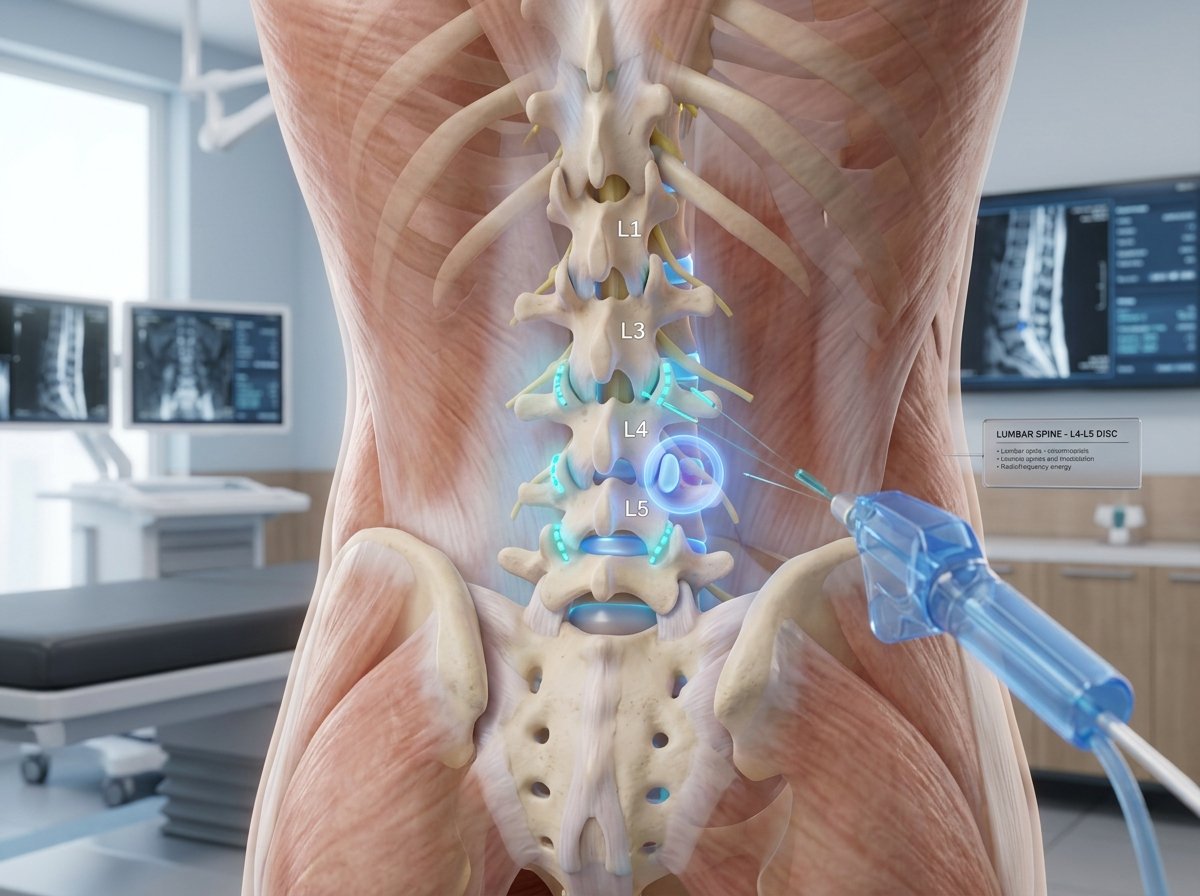
Sitting for more than 6-8 hours daily significantly increases intra-discal pressure on the lumbar spine. Simple changes like keeping the screen at eye level, using lumbar support, taking micro-breaks every 45 minutes, and maintaining 90-degree knee and hip angles can reduce back strain by up to 60%. Incorporating gentle core stretches and standing desk intervals promotes optimal spinal blood circulation and disc hydration.
Why Prolonged Sitting Harms the Lumbar Spine
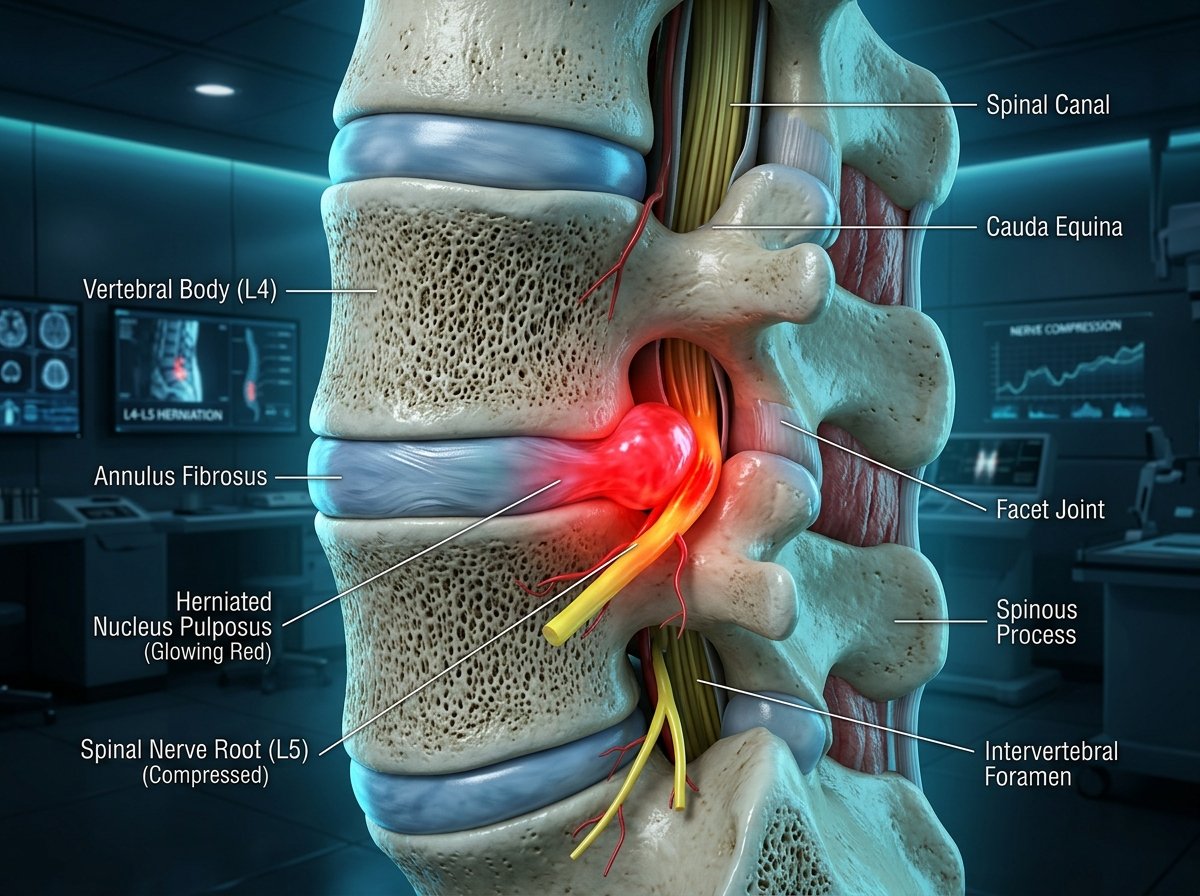
When you sit, particularly with a slumped posture, the static load transferred onto your lower lumbar discs (L4-L5 and L5-S1) can be up to 1.5 to 2 times greater than when standing upright. Over months and years, this sustained pressure accelerates disc dehydration, promotes micro-tears in the outer annulus fibrosus, and weakens the stabilizing multifidus muscles along the vertebrae.
Essential Ergonomic Adjustments for Your Workstation
Creating an ergonomic workspace is your first line of defense against occupational spine stiffness:
- Monitor Alignment: Position your computer screen directly in front of you with the top third of the monitor at eye level to prevent forward neck flexion.
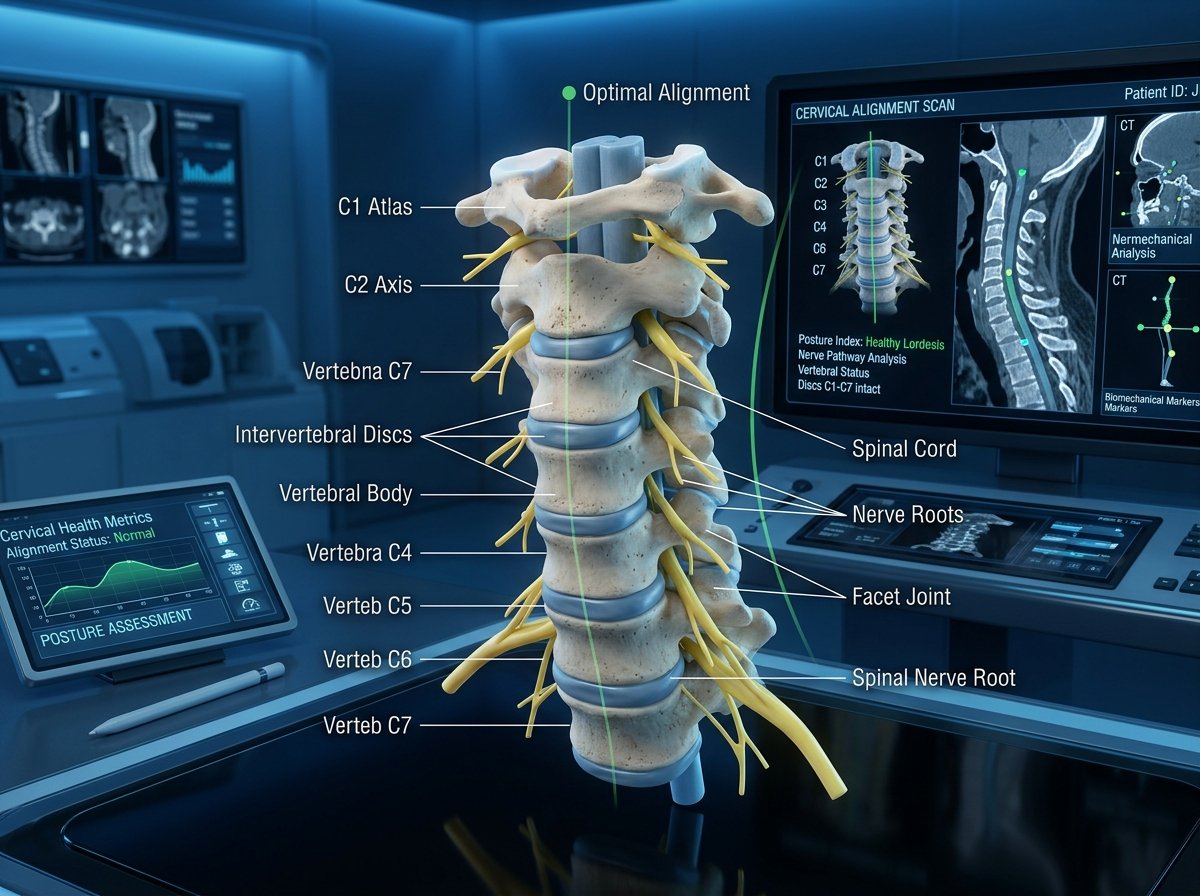
- Lumbar Support: Maintain your spine's natural inward curve (lordosis) using an ergonomic chair backrest or a dedicated lumbar support cushion.
- Arm and Elbow Support: Keep elbows flexed at roughly 90 degrees with wrists in a neutral, relaxed position on the desk or armrests.
- Foot Placement: Keep both feet flat on the floor or rest them comfortably on an angled footrest.
Micro-Breaks and The 45-Minute Movement Rule
Discs lack direct blood supply in adults; they rely on fluid exchange driven by movement. Set a timer every 45 minutes to stand up, walk for 60 seconds, perform gentle standing pelvic tilts, and gently extend your lower back backwards.
When to Consult a Spine Specialist
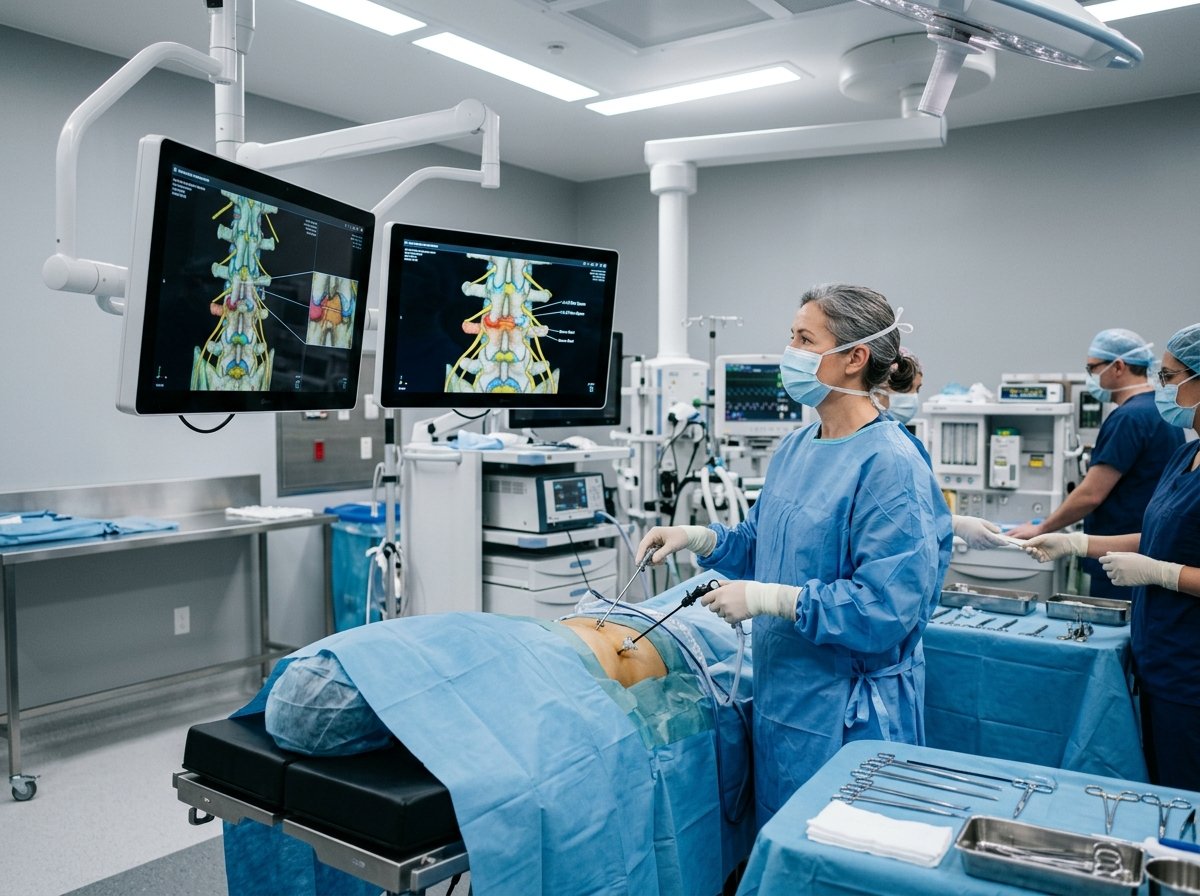
If back stiffness persists beyond 2-3 weeks, radiates down into the buttock or leg (sciatica), or is accompanied by numbness or weakness, an objective clinical assessment and MRI review are recommended.
Doctor's Key Clinical Takeaways
- Sitting exerts up to 150% more pressure on lumbar discs than standing upright.
- Keep screens at eye level and hips/knees at 90-degree angles to minimize spine load.
- Take active 60-second micro-breaks every 45 minutes to encourage disc nutrition.
- Combine ergonomic desk setups with daily 15-minute core stabilizing routines.
When to Seek Immediate Medical Evaluation
If back or neck pain is accompanied by sudden weakness in the legs or feet (foot drop), progressive numbness, loss of bowel/bladder control, or unremitting night pain, prompt specialist evaluation is strongly recommended.