Condition Overview & Clinical Background
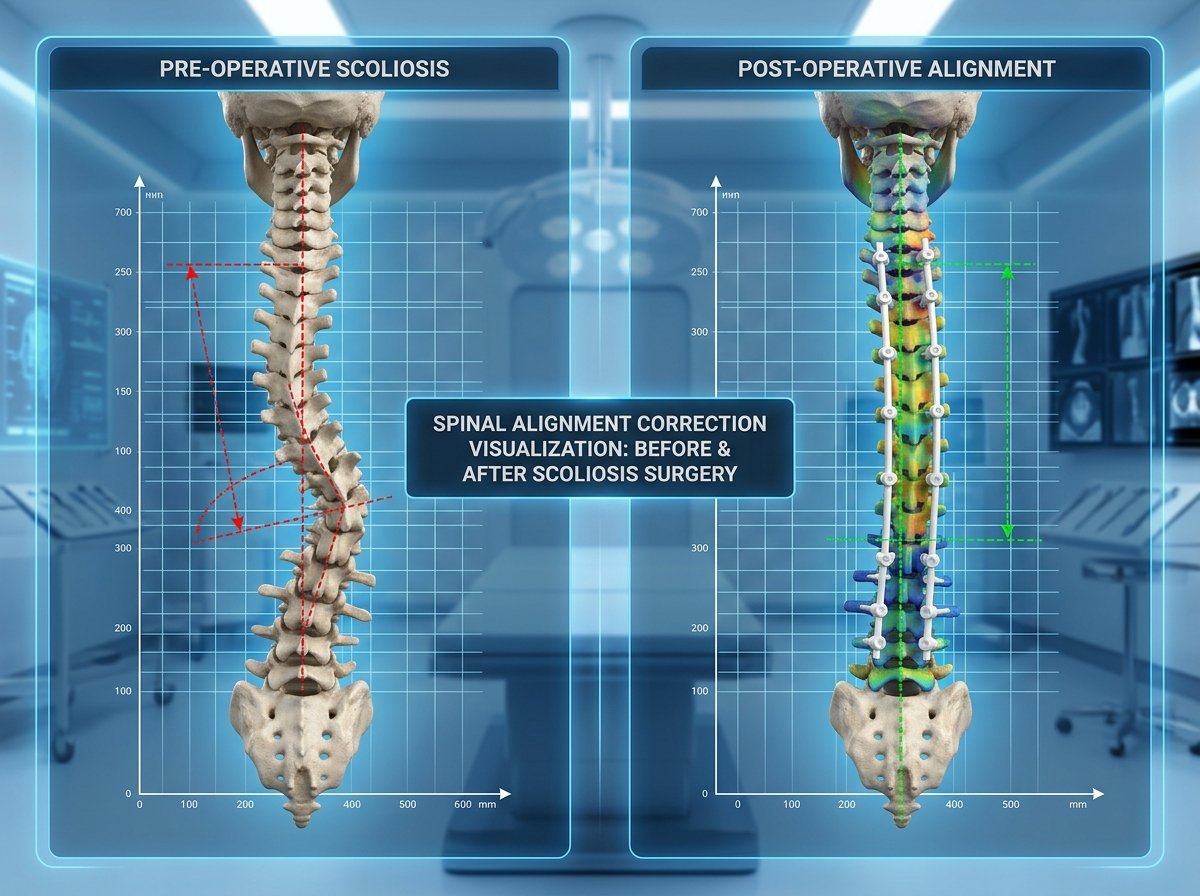
Spinal deformities refer to abnormal curvatures of the spine, such as Scoliosis (sideways three-dimensional curvature) or Kyphosis (excessive forward rounding of the upper back). Dr. Sarthak Kadakia provides comprehensive clinical monitoring, specialized corrective bracing, 3D postural physiotherapy, and advanced surgical realignment for pediatric, adolescent, and adult patients.
Dr. Sarthak Kadakia's Clinical Protocol: Every case is evaluated with individual spine biomechanics in mind. We prioritize non-surgical treatments first, reserving minimally invasive keyhole procedures for non-resolving or progressive cases.
Common Symptoms
- Uneven shoulder heights, asymmetrical waistline, or one hip sitting higher than the other
- Prominent rib hump or shoulder blade noticeable when bending forward (Adam's Forward Bend Test)
- Noticeable forward stoop or rounded upper back (Kyphosis)
- Chronic muscular back fatigue, ache, and difficulty standing upright for long durations
- Shortness of breath or reduced stamina in severe progressive thoracic curves
Causes & Risk Factors
- Adolescent Idiopathic Scoliosis (genetic and developmental factors during growth spurts)
- Adult Degenerative Scoliosis caused by asymmetric disc wear and facet joint arthritis
- Osteoporotic vertebral compression fractures causing progressive kyphotic collapse
- Congenital vertebral malformations present from birth (hemivertebrae)
Diagnostic Evaluation Protocol
Stepped Treatment Approaches
Non-Surgical / Conservative Therapies
- Regular 6-month radiographic surveillance for mild curves (<20 degrees)
- Schroth Method 3D corrective breathing and scoliosis-specific physical therapy
- Custom-molded corrective spinal bracing (for growing adolescents with curves 20-40 degrees)
- Core strengthening, postural biofeedback, and pain management in adult deformity
Advanced & Minimally Invasive Options
- Posterior Spinal Instrumented Correction and Fusion with continuous intraoperative neuromonitoring
- Minimally invasive anterior/lateral lumbar interbody fusion (OLIF/XLIF) for adult deformity
- Vertebral osteotomies and realignment procedures for rigid kyphotic deformities
Recovery Timeline & Long-Term Mobility
Non-surgical bracing and physiotherapy successfully halt progression in the majority of growing teens. Surgical correction achieves excellent cosmetic and functional restoration with hospital stay of 4-6 days and return to school/work in 4-6 weeks.