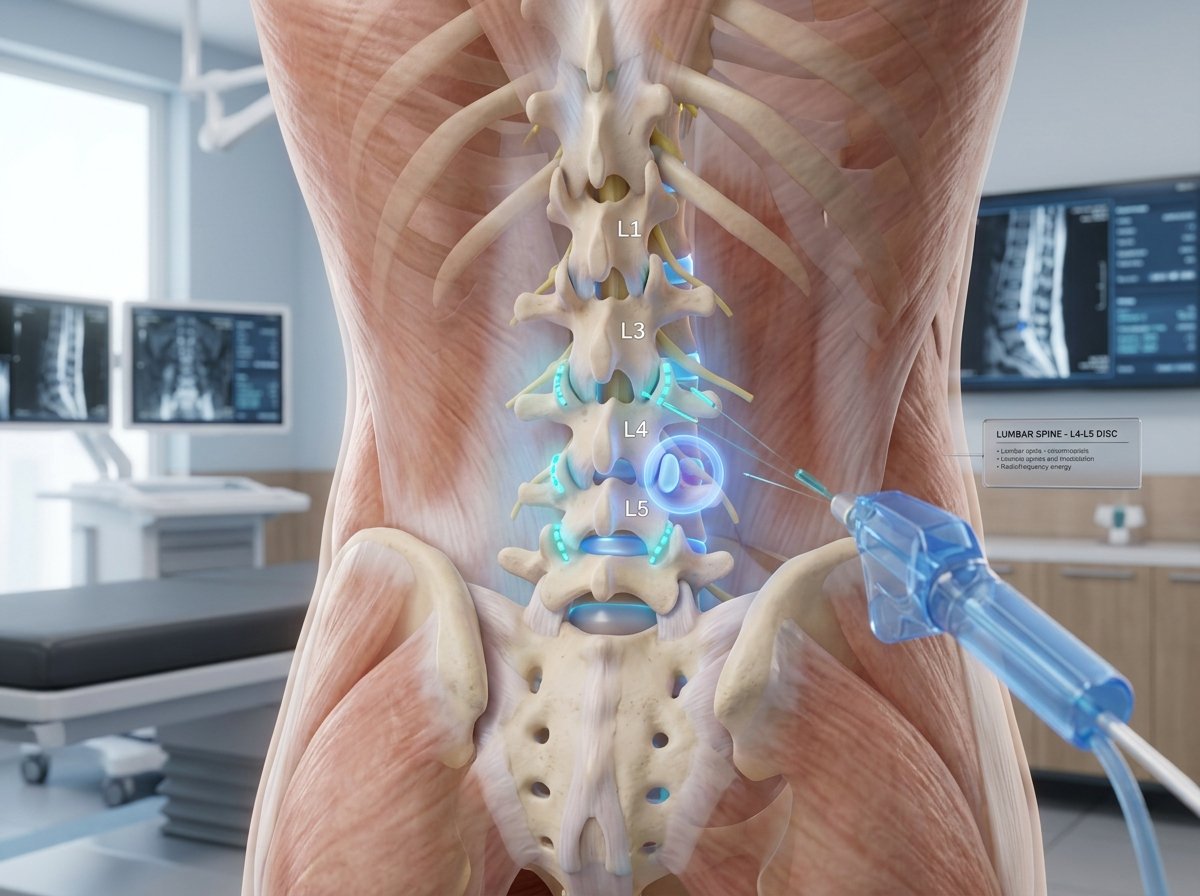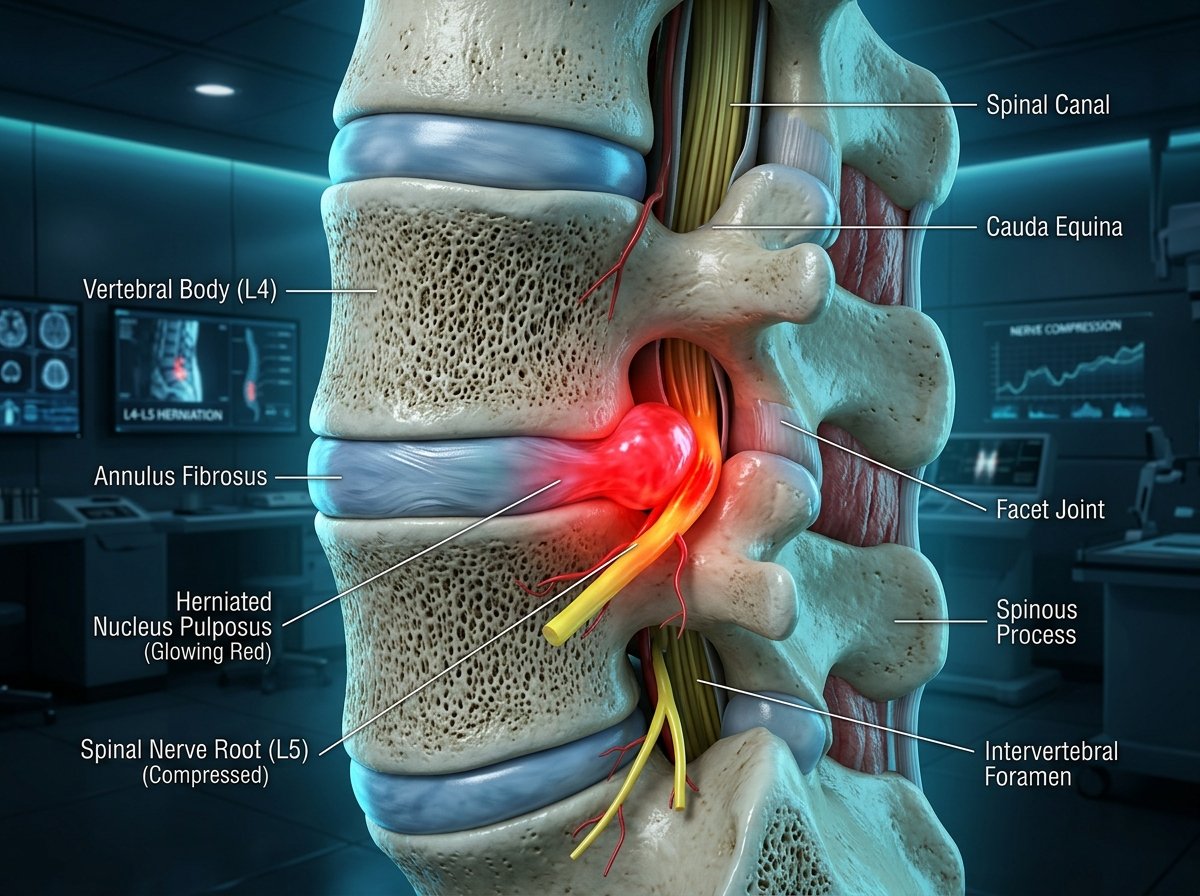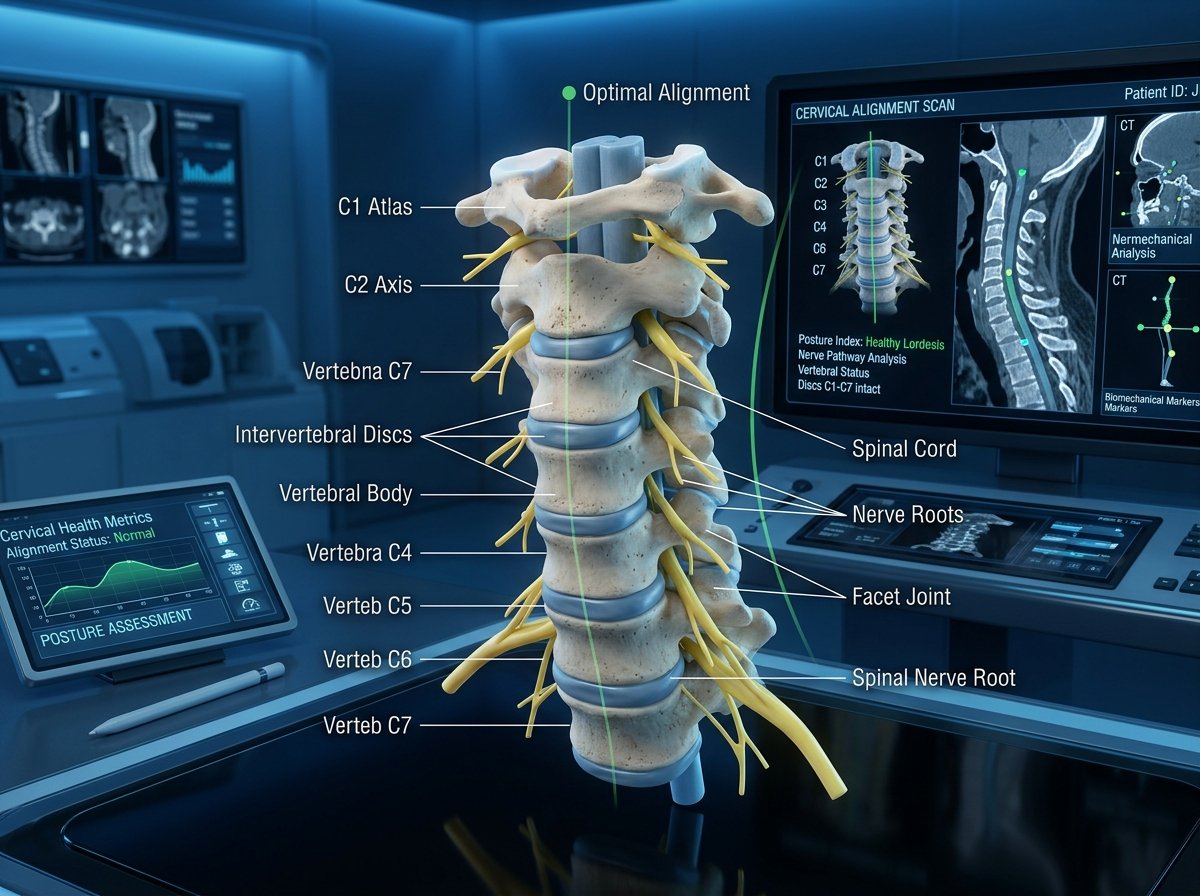

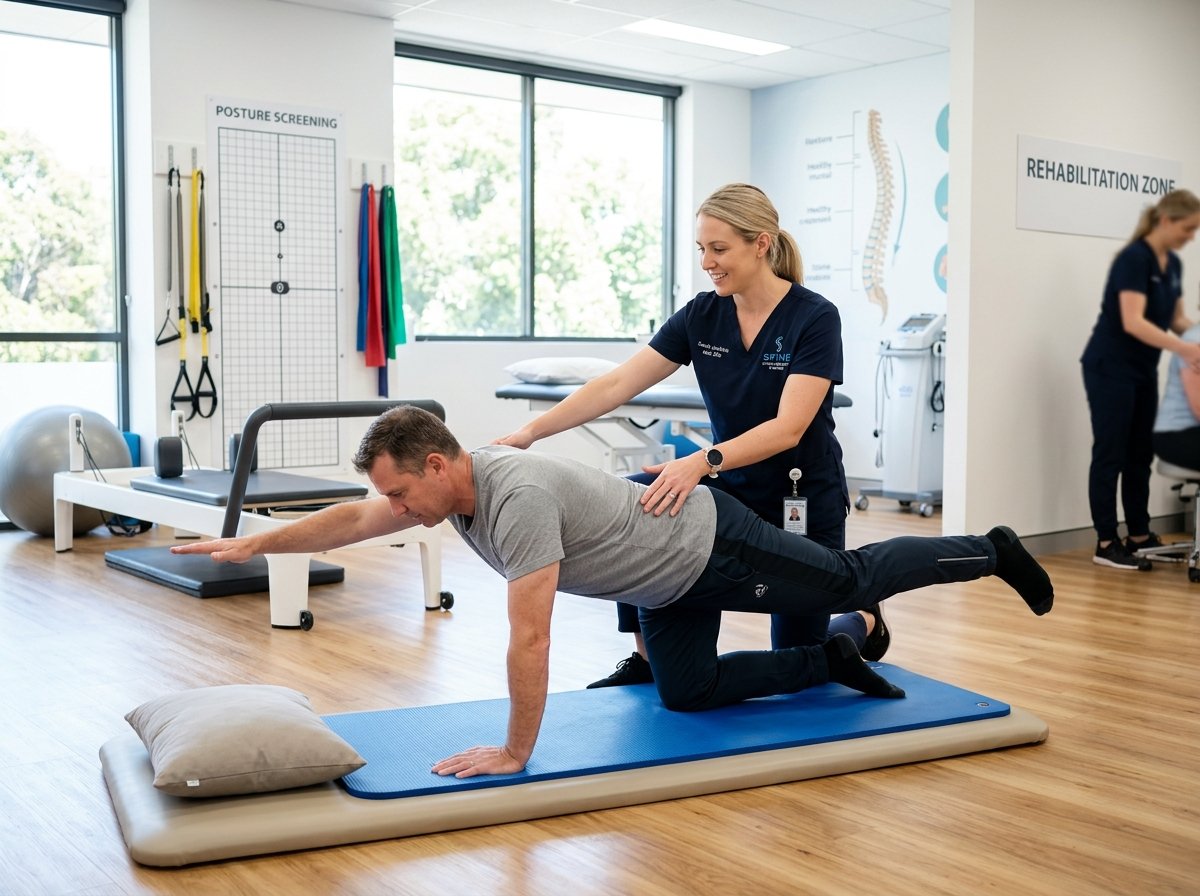
Your core muscles — including the transverse abdominis, multifidus, and pelvic floor — provide the primary stabilizing foundation for your spinal column. Low-impact exercises such as Bird-Dog, Glute Bridges, Plank holds, and Pelvic Tilts activate deep spinal stabilizers without placing compressive loads on intervertebral discs. Performing these 15 minutes daily significantly reduces recurrent lower back episodes.
The Spine-Protecting "Inner Core Cylinder"
The core is not just your 6-pack abdominal muscles (rectus abdominis). The most crucial spinal protectors are deep stabilizers: the transverse abdominis, multifidus, diaphragm, and pelvic floor. When these muscles co-contract, they create intra-abdominal pressure that relieves up to 40% of load on lumbar discs.
Top 4 Safe Spine-Stabilizing Exercises
Perform these low-impact exercises daily on a firm exercise mat:
- Bird-Dog: On hands and knees, extend opposite arm and leg horizontally while keeping your pelvis neutral and core engaged. Hold 5 seconds; 10 reps per side.
- Glute Bridges: Lie on your back with knees bent. Squeeze glutes and lift hips in line with knees and shoulders without hyper-arching the lower back. Hold 5 seconds; 12 reps.
- Modified Forearm Plank: Maintain a straight line from shoulders to knees or toes, bracing your abdominal wall. Hold 20-30 seconds; 3 sets.
- Cat-Camel Mobility Stretch: Gentle spinal flexion and extension on all fours to mobilize the thoracic and lumbar segments.
Exercises to Avoid During Acute Back Pain
Avoid traditional sit-ups, crunches, heavy toe touches, and weighted spinal twists, as these place extreme repetitive shear stress on lumbar discs.
Doctor's Key Clinical Takeaways
- Deep core muscles act as an internal natural brace for the spinal column.
- Bird-Dog and Glute Bridges activate stabilizers without compressing intervertebral discs.
- Avoid traditional crunches and heavy toe touches during active back pain episodes.
When to Seek Immediate Medical Evaluation
If back or neck pain is accompanied by sudden weakness in the legs or feet (foot drop), progressive numbness, loss of bowel/bladder control, or unremitting night pain, prompt specialist evaluation is strongly recommended.